Fyno logo
Download the appGet the app
Skip to the comparison

Maui · coast, summit & a little breathing room

Things to do in Maui

Give Maui three different kinds of day: a coastal road day, a summit or Upcountry day, and time near your beach base. Hāna and Haleakalā belong to the same national-park story in places, but they do not share a road approach. Choose the day’s main outing before adding stops.

Compare the choices
Haleakalā Sunrise
Photo: Alice Donovan

Compare the choices

Choose the shape of your Maui day

These are planning blocks, not a promise that every stop fits. Driving, parking, food and check-in are additional to time at an attraction. [1][8][7][6]

Choose the shape of your Maui day
Day areaChoose it forLeave room forArrange first
Hāna coastScenic road, Keʻanae, Waiʻānapanapa and HānaA full road day; more room if continuing to KīpahuluTimed park entry; decide return drive versus Hāna overnight
Haleakalā & UpcountrySunrise or daylight summit views, followed by a slower Upcountry stopDark ascent for sunrise, cold layers and a substantial descentThe correct morning’s vehicle sunrise reservation
West MauiKāʻanapali beach time, Kapalua walk and a reserved lūʻauA local day with a deliberate coastal outingThe evening venue; current beach and road conditions
Central Maui & nearby waterʻĪao Valley, Maui Ocean Center, or a chosen boat tripOne main visit plus transport and the operator’s check-inʻĪao entry/parking or the actual sailing

Scroll across the comparison to read every column.

Four or five days: choose fewer big outings

For a first short stay, choose the Hāna coast or another substantial excursion as the day’s anchor, then protect an easier day near your base. The saved five-day Maui Scenic Escape contains the actual day order and selected nights. Choose the experiences here, then use that route to review the day order and nights.

With less time, reduce the number of areas. A sunrise start, the full Hāna road, a boat departure and a lūʻau each consume more of a day than their headline attraction suggests. Place a flexible beach or town block between demanding starts, especially if your group includes children or anyone who dislikes winding roads.
Hāna: return to your base, or stay the night?

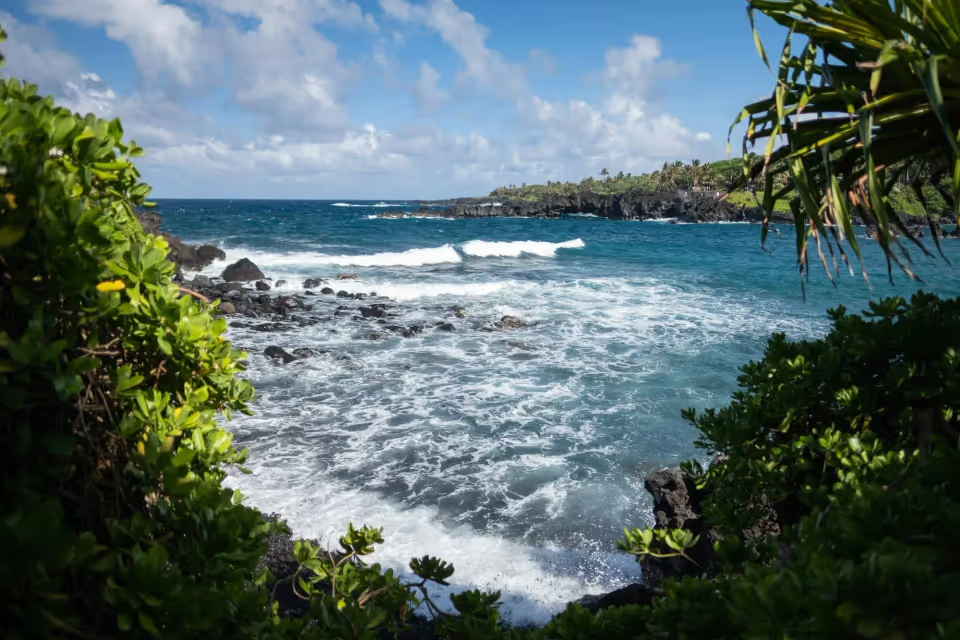
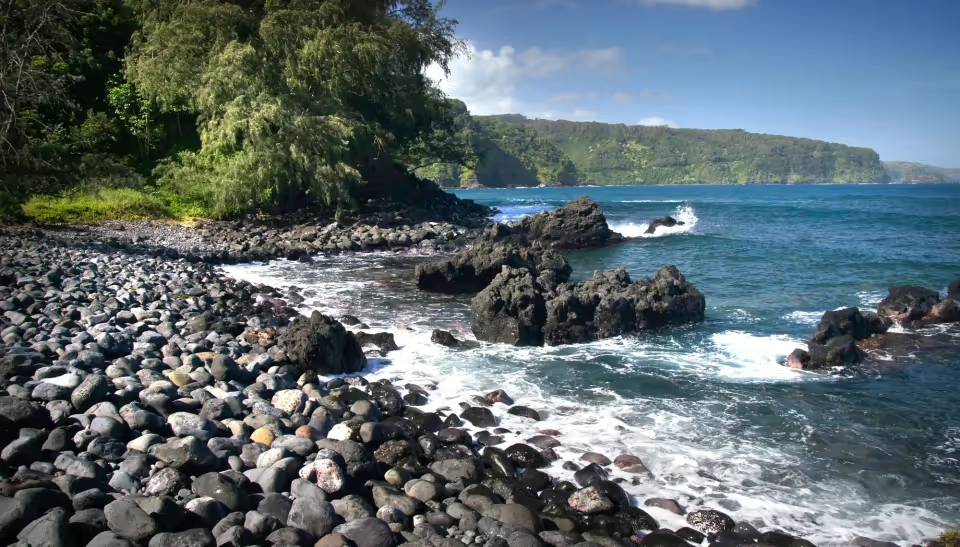
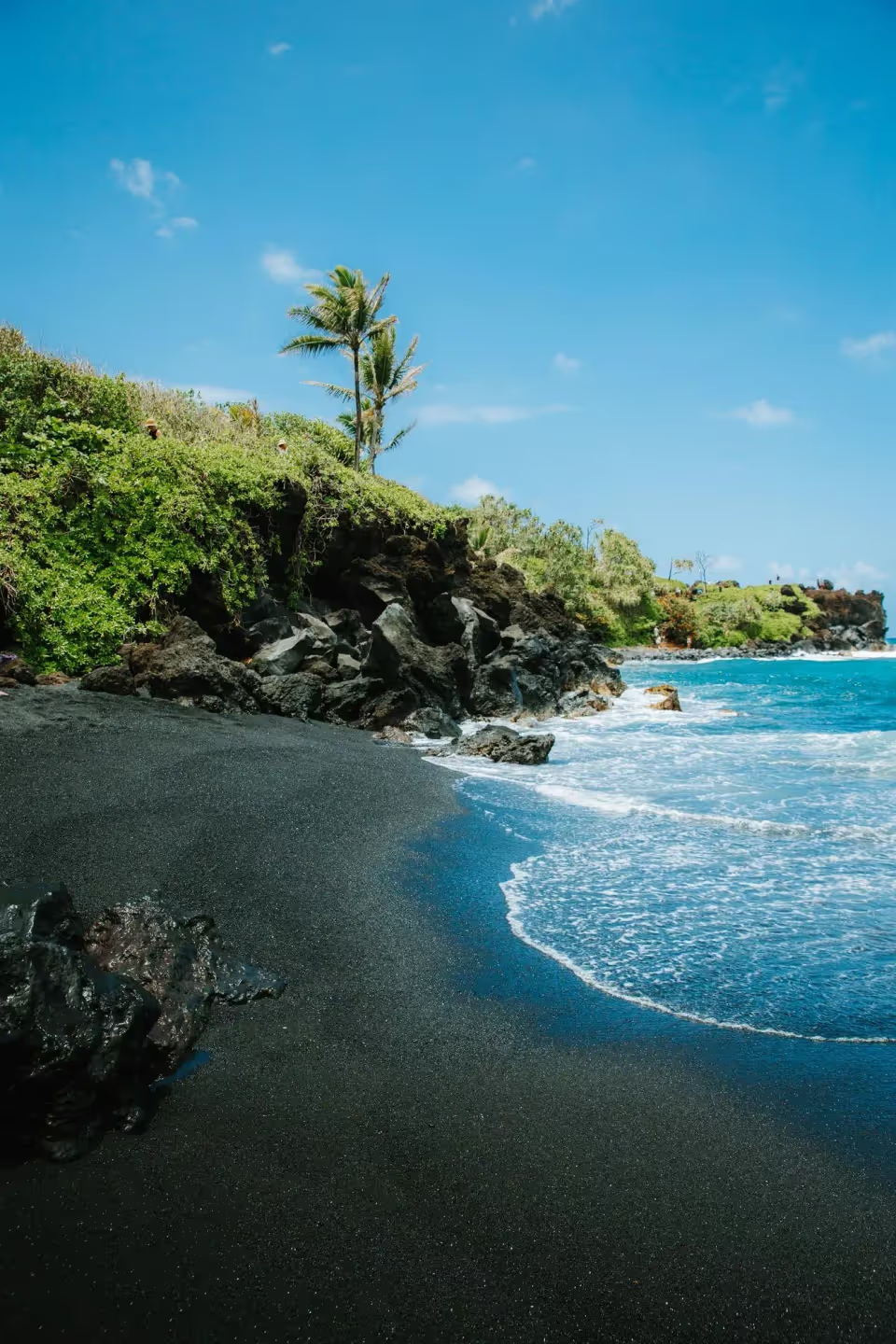
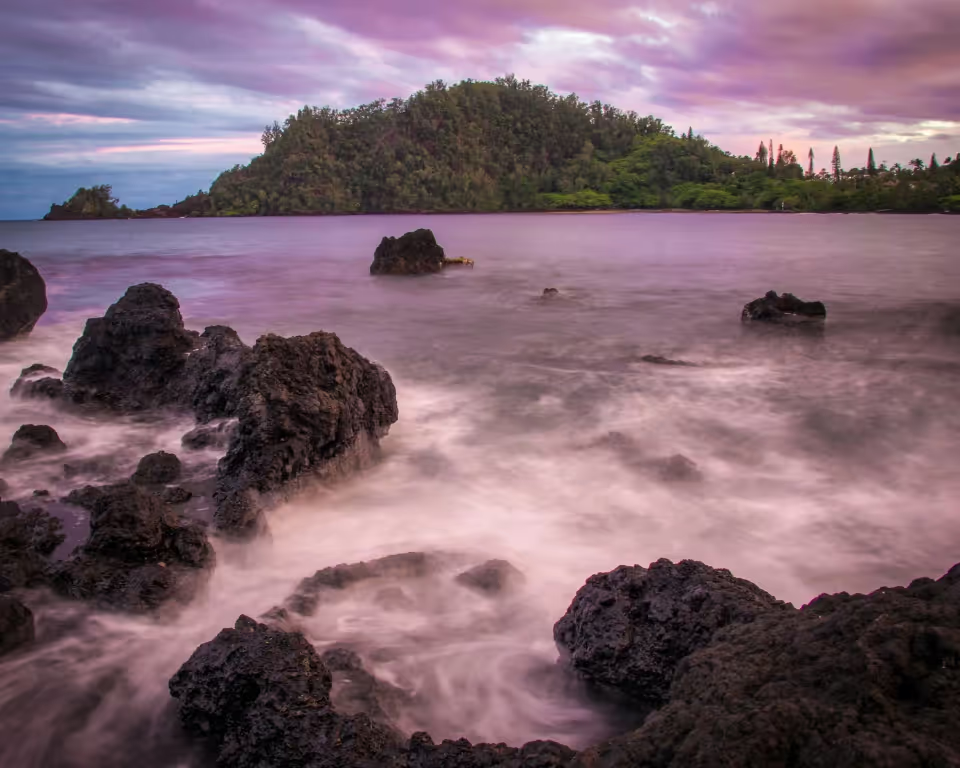
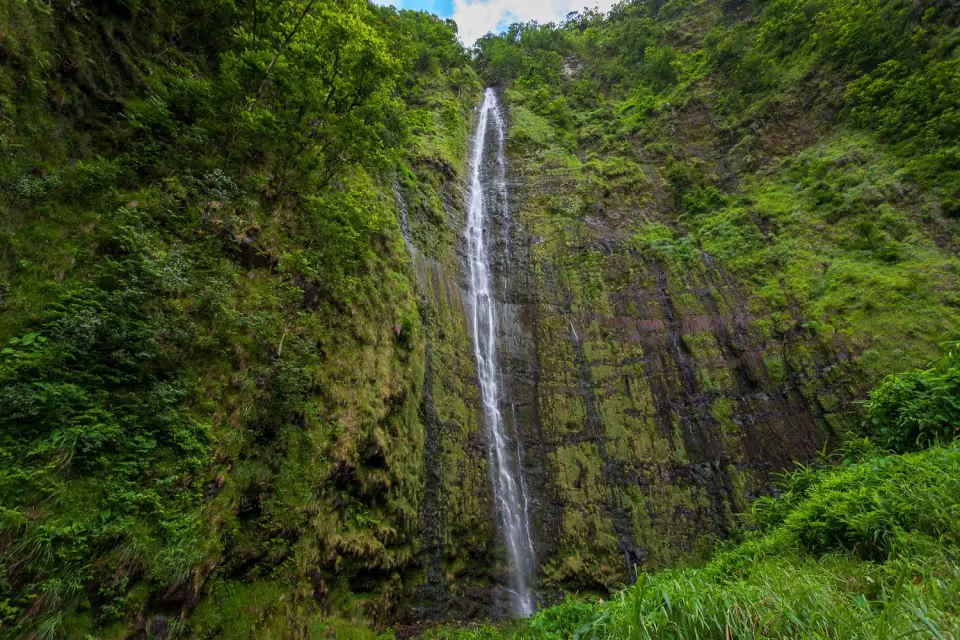
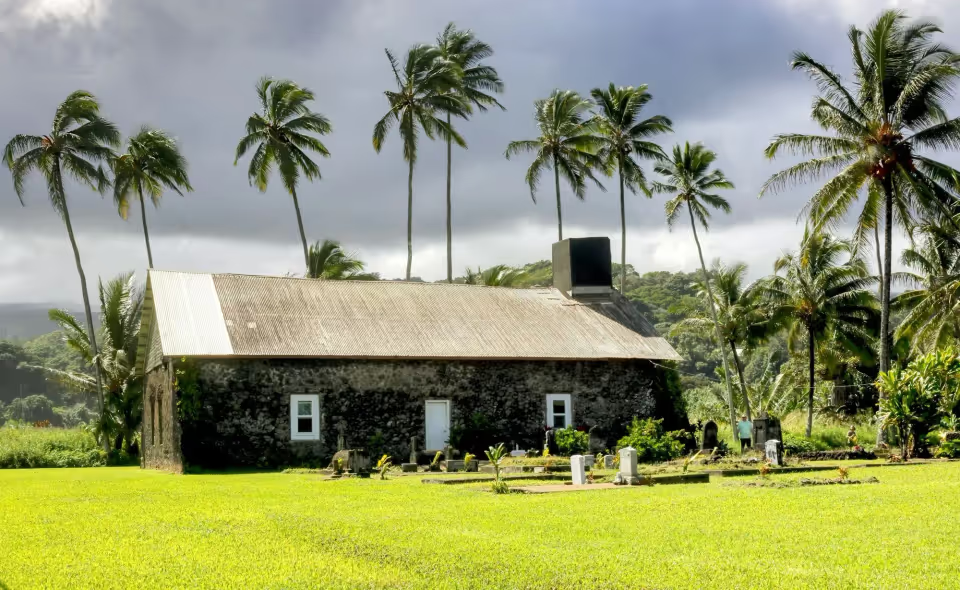
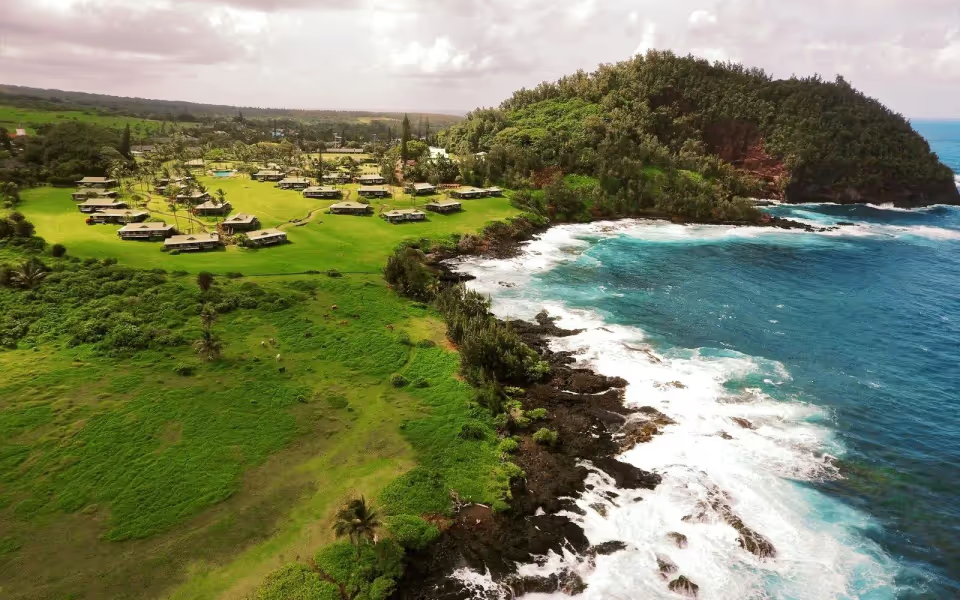
A Hāna day works best when the reservations and the turnaround agree. Start with the Waiʻānapanapa slot if that visit matters, then select a few legal stops on the approach. Keep local roads and driveways clear; a waterfall visible from the road is not evidence of public parking or permitted access.

The Maui Scenic Escape saves Kāʻanapali again that night. The nine-day First-Time Island Hop instead saves Hāna-Maui Resort and a separate return day. These are genuinely different choices. A Hāna night can make room for the coastal district, but adds packing, check-in and another hotel arrival. Confirm road conditions and the exact hotel approach; do not assume a continuous loop around Haleakalā. [7][6][16]

Haleakalā: sunrise is a booking, daylight is another option

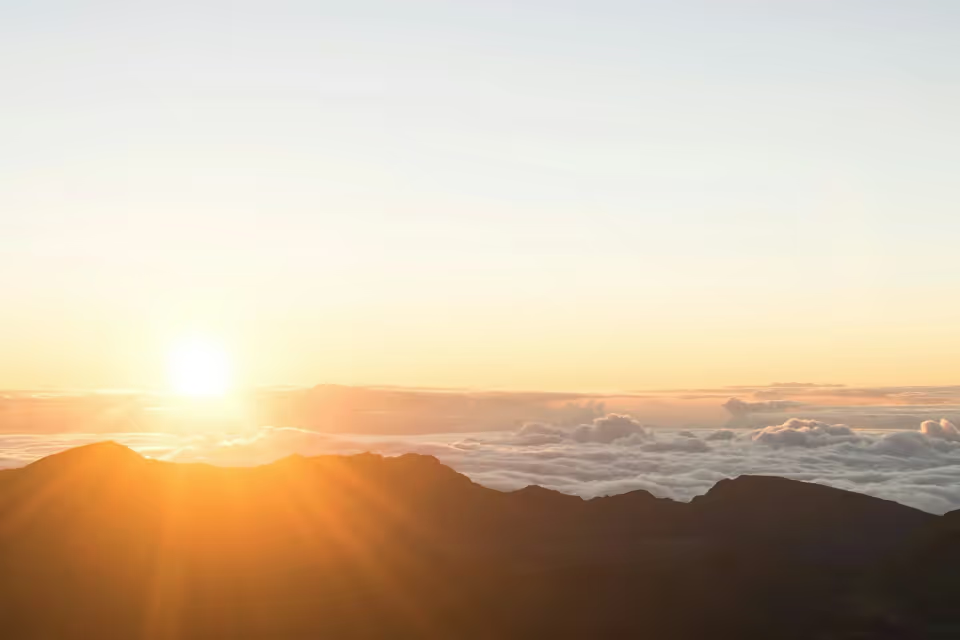
For an independent vehicle entering the summit district from 3–7 a.m., NPS requires a sunrise reservation for that date. The $1 reservation is per vehicle and separate from park entrance. The main release is 60 days ahead at 7 a.m. Hawaiʻi Standard Time, with a smaller release two days ahead. A paid park pass alone does not replace the sunrise booking.

An after-7 a.m. visit or sunset avoids the ordinary sunrise-reservation requirement, but not the drive, park entrance, weather or parking constraints. Summit conditions can be roughly 30°F/17°C colder than the coast, with freezing temperatures possible. Pack for the mountain, not the hotel pool. The Hosmer Grove camping exception is specific: registered campers receive sunrise access the morning after their camping night. [1][2][4][5]

A West Maui day is worth keeping

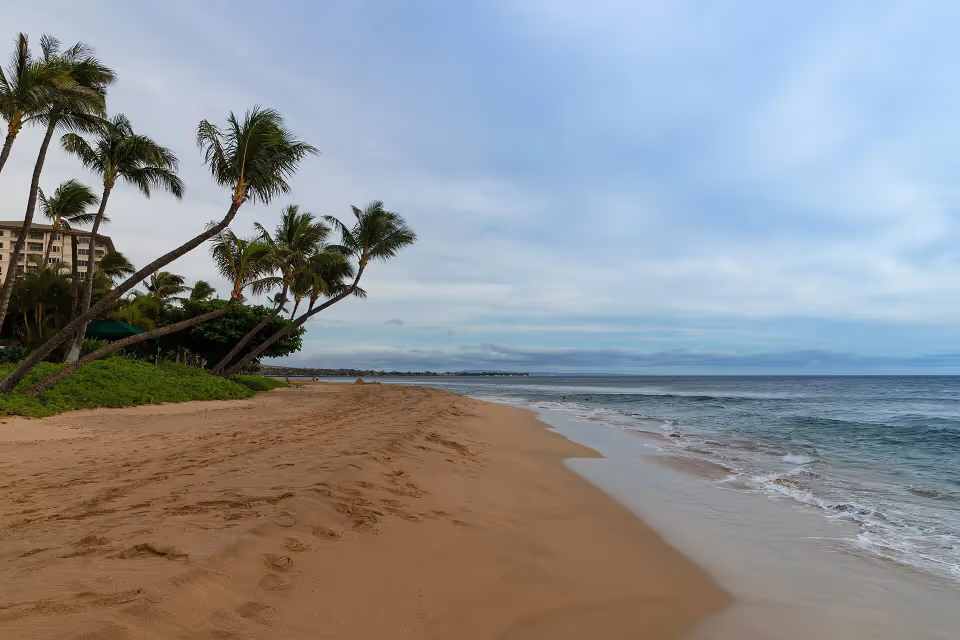
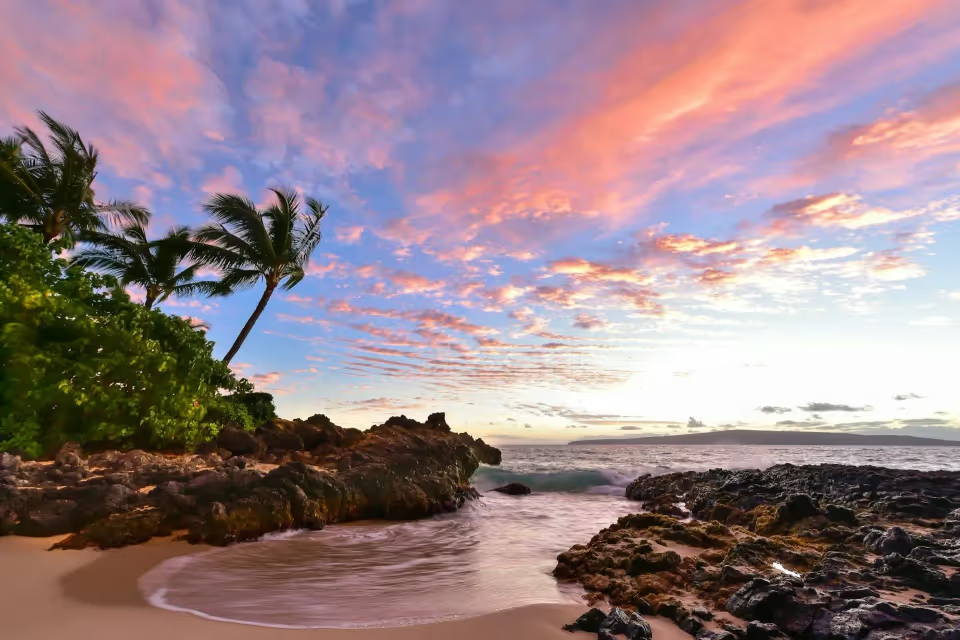
Kāʻanapali and Nāpili make it possible to have a day that does not begin with a long drive. Give the beach its own block, choose a permitted portion of the Kapalua coastal walk, and keep sunset or a reserved lūʻau nearby. Do not turn the coast into a checklist of distant coves just because the pins look close together.

For Old Lāhainā Lūʻau, use the venue’s actual booking and current directions. Keep the reserved evening separate from assumptions about the wider town’s access. At any beach, the shore’s orientation, swell, wind and the day’s warnings matter more than the month or a hotel’s photographs. [14][10][9]

Choose a boat for the group, not just the photograph

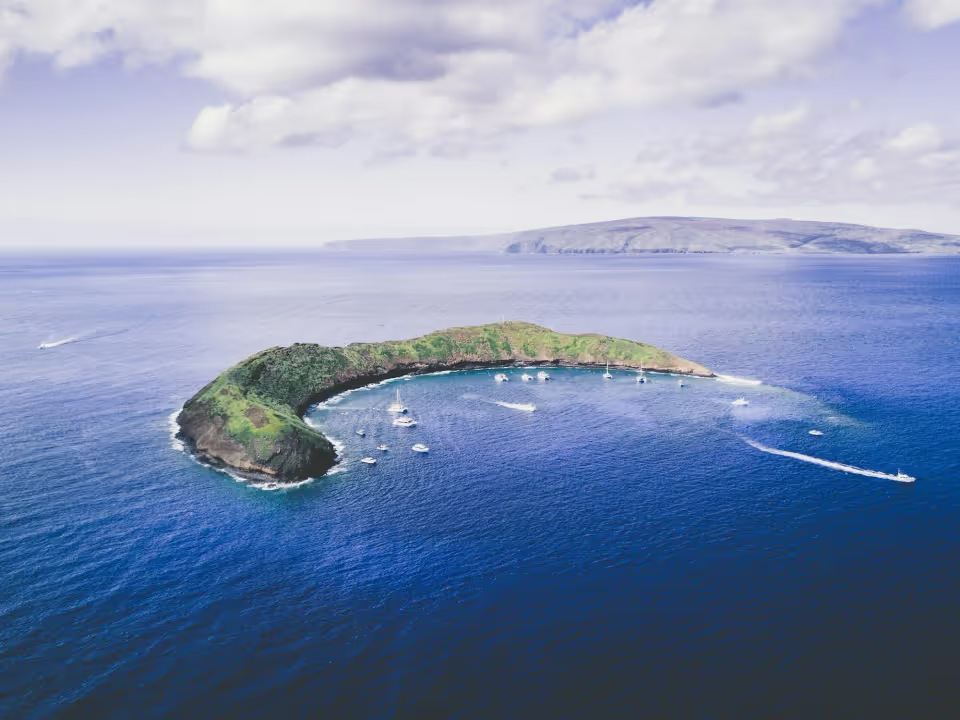
Molokini snorkeling and whale watching are different outings, with their own seasons, equipment, passenger restrictions and harbor logistics. Confirm the departure point and the operator’s complete check-in-to-return schedule. A pin on the crater or coast does not identify where your boat boards.

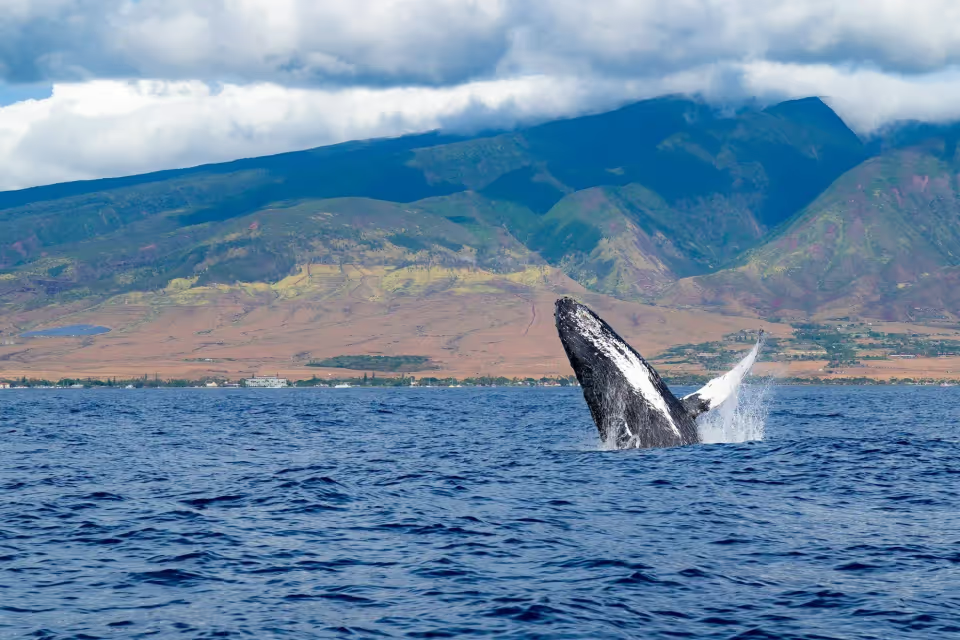
NOAA describes humpback season as generally November–May, usually most abundant January–March. That is a seasonal reason to look at whale trips, not a sighting guarantee. If wind, swell, mobility or seasickness makes the sailing a poor fit, the aquarium or a central-island visit offers a useful land alternative. Do not substitute a rough-water swim for a canceled boat. [11][12][9]

Keep the reservations separate

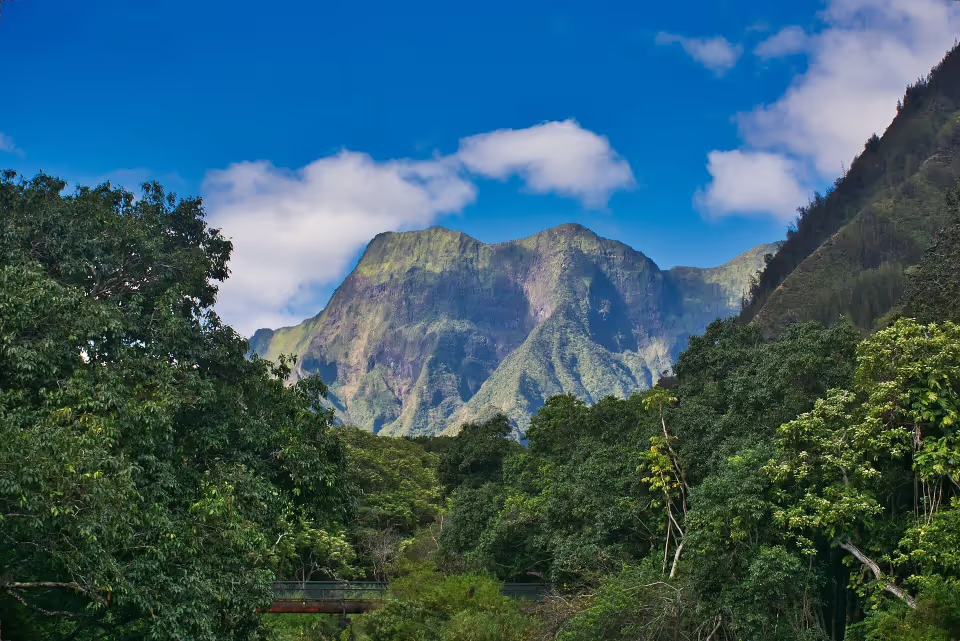
Haleakalā sunrise, national-park entrance, Waiʻānapanapa day use, ʻĪao entry and a commercial tour are separate arrangements. Waiʻānapanapa and ʻĪao currently list non-resident entry and parking reservations. Check the people, vehicle, time slot and site on each confirmation; one reservation does not unlock all of Maui.

A booked attraction is not evidence that every road or trail is open. Check the official park notices and HDOT roadwork for the actual travel day. Keep confirmation files available without relying on a mountain or coastal data connection, and change the day’s order when the access window requires it. [1][3][7][8][15][16]

Give the day a focus

Maui experiences, grouped by the day they belong to

17 places

Pins locate sights and areas, not a driving route. Boat and farm meeting points are determined by the actual booking; the list identifies these exceptions.

A curated starting point

Put the choices into a real trip

Read the complete saved days and overnight choices. These are starting plans to adapt; flights, rooms and activities are booked separately.

Where the day begins

Keep the overnight beside the journey

Location choices from the collection. Check the room, complete price and availability for your dates.

Questions before you go

Can I do Haleakalā sunrise and the Road to Hāna in one day?

Give them separate main-outing days. Sunrise adds a dark mountain drive and a substantial descent; Hāna is another long road day with its own reserved stops and return decision. A longer combined list is not a realistic substitute for transport time. [1][6]

Is there one Road to Hāna reservation?

No single reservation covers the whole road. Waiʻānapanapa has its own entry/parking arrangement; national-park entrance applies at Kīpahulu, and individual tours or venues may have their own bookings. Check which actual places you intend to enter. [7][6]

Should I stay in Hāna?

Choose a Hāna night when dividing the outward drive, Kīpahulu time and return is worth another hotel change. The saved island-hop route does this; the saved Maui-only route keeps its Kāʻanapali base. Neither choice makes every coastal stop fit.

When should I plan a Maui whale-watching trip?

NOAA gives a general November–May humpback season, with peak abundance usually January–March. Compare the actual operator’s sailing dates and departure harbor, keep weather flexibility, and treat wildlife sightings as variable. [11]

Keep planning

The next useful decision

Sources & planning notes

Planning information checked November 5, 2026. Weather, road and park notices, opening calendars, rates and availability can change. Current warnings and the chosen booking’s conditions govern the visit. Photography credits are retained with the images.

  1. NPS: Haleakalā sunrise reservations ↗
  2. NPS: sunrise questions, fees and arrival ↗
  3. NPS: Haleakalā entrance passes ↗
  4. NPS: summit and Kīpahulu weather ↗
  5. NPS: Hosmer Grove camping and next-morning sunrise ↗
  6. NPS: Kīpahulu district and approach ↗
  7. DLNR: Waiʻānapanapa entry and parking ↗
  8. DLNR: ʻĪao Valley entry and parking ↗
  9. Hawaiʻi Ocean Safety: choosing a beach ↗
  10. Hawaiʻi Ocean Safety: surf seasons by shore ↗
  11. NOAA: humpback season and responsible boating ↗
  12. Maui Ocean Center: official visitor site ↗
  13. Aliʻi Kula Lavender: visiting and terrain ↗
  14. Old Lāhainā Lūʻau: official venue ↗
  15. DLNR: current park notices ↗
  16. HDOT: Maui roadwork ↗