Fyno logo
Download the appGet the app
Skip to the comparison

Hawaiʻi · the right season for your kind of day

Best time to visit Hawaiʻi

Choose your dates around what you want to do, then choose the island and coast. A warm beach forecast does not describe Haleakalā’s summit, and a summer month does not make every shore calm. If dates are flexible, compare late spring and early autumn alongside the actual fares and rooms; for whales, the usual peak is January–March.

Compare the choices
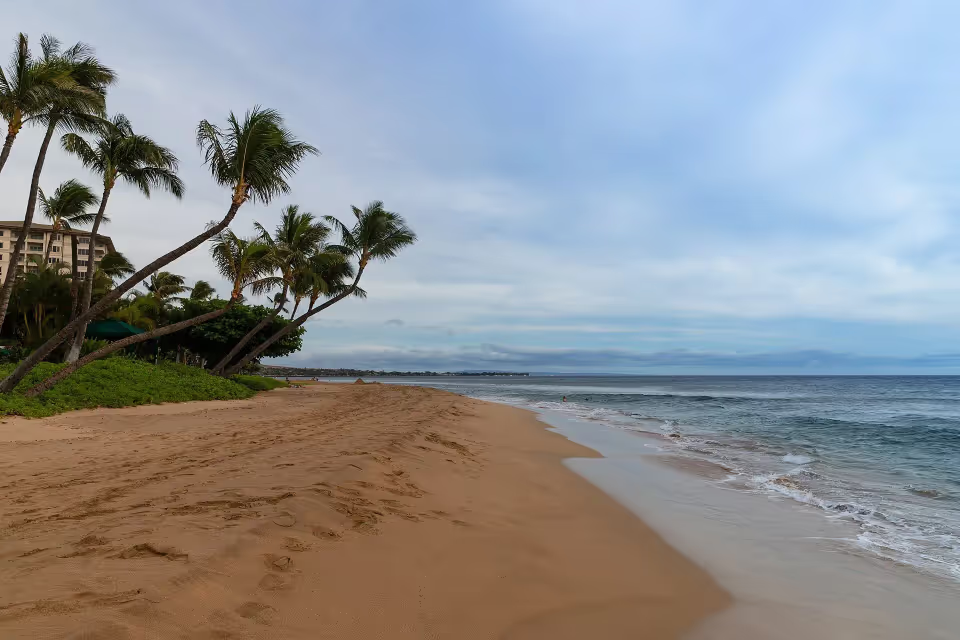
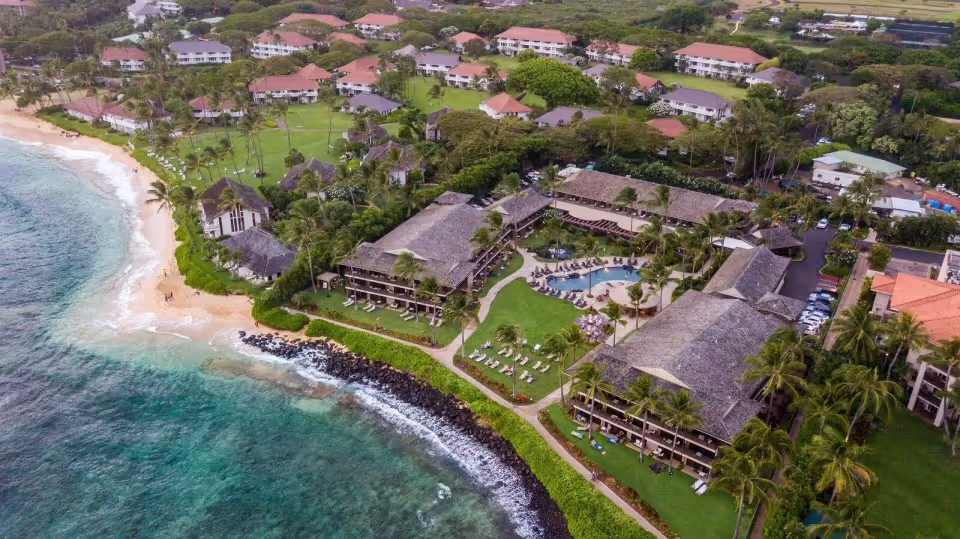
Kāʻanapali Beach Time
Photo: dronepicr

Compare the choices

Start with the activity you care about

These broad patterns help you plan alternatives. They are not a forecast, a guarantee of wildlife or a promise of the lowest price. [9][7][10][1][2][15]

Start with the activity you care about
Your priorityA useful time to compareWhat still needs checkingA real route to start from
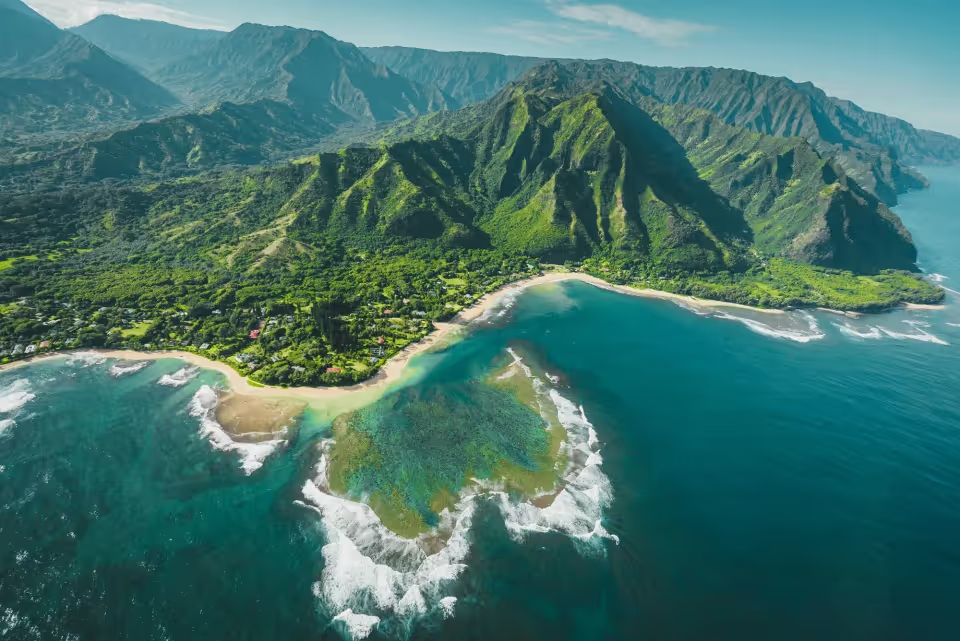
North-shore beach and coast timeMay–October often has smaller north swellsSouth swell, trade-wind exposure and the actual beach warningsKauaʻi Nature Escape or Oʻahu City & Surf
Humpback whalesGeneral November–May season; usual peak January–MarchThe operator’s sailing dates, harbor, sea conditions and variable sightingsMaui Scenic Escape
Summit viewsAny suitable day with the right access and forecastCold, cloud, sunrise booking and the long road approachMaui Scenic Escape
Flexible weather and quote comparisonLate spring or early autumn as candidates, not a guaranteeExact coast, holiday/event dates, cancellation terms and final totalsOne island first; compare the nine-day hop if time allows
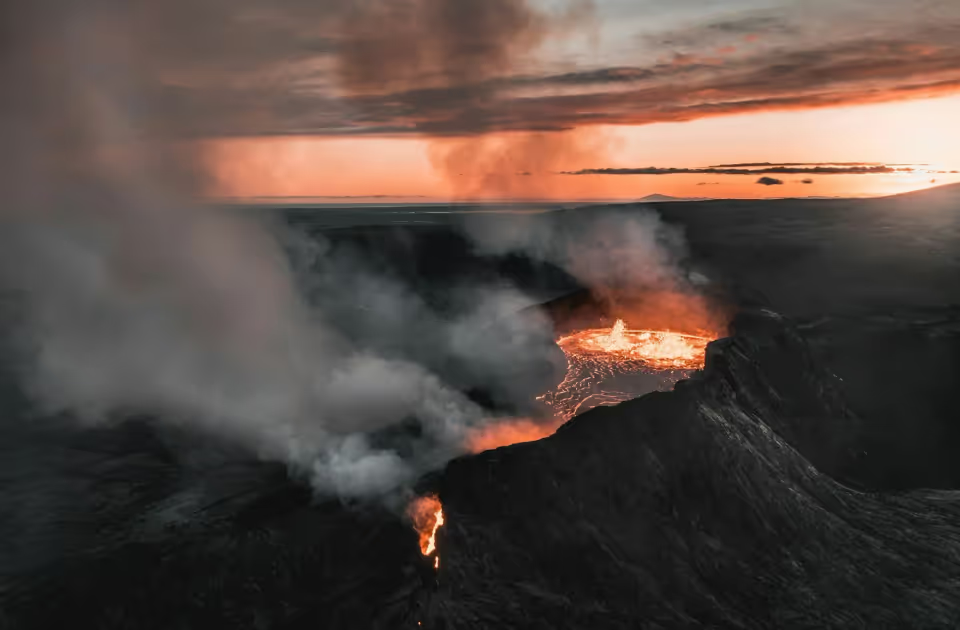
Volcanic landscapesChoose around current park access, not an assumed eruptionNPS conditions, road/trail notices and the actual return journeyBig Island Adventure

Scroll across the comparison to read every column.

Two broad seasons, many local climates

Hawaiʻi’s warmer and generally drier season is roughly May–October; winter rain and storm effects are more prominent around October–April. The overlap is a reminder that the season does not change on a single date. The National Weather Service emphasizes large rainfall differences over short distances, with mountain exposure and windward versus leeward position doing much of the work.

Choose the actual setting. Kīpahulu is a wet coastal national-park district; Haleakalā’s summit can be below freezing in the same broad trip. Hilo/Volcano and Kona are different bases on Hawaiʻi Island. Read the route’s actual overnights before assuming that an island-wide weather summary describes the place you will wake up. [9][2]

Compare the choices

A practical month-by-month comparison

Compare the months in one place. Choose the actual island, coast and activity before booking; these are climate patterns and planning implications, not a monthly forecast. [9][7][10][11]

A practical month-by-month comparison
MonthConditions to keep in mindWhat the season addsHow to adapt the plan
JanuaryWinter north/west swell and rain interruptions remain importantA strong month to consider whale watching; NOAA’s usual peak beginsKeep a land alternative to a Maui or Nā Pali boat
FebruaryAmong the cooler air months; sea temperature approaches its seasonal lowWhale abundance is usually in its peak periodChoose the actual shore, not a promise of a winter lagoon swim
MarchWinter storms and muddy trail conditions can still affect a dayStill within the usual January–March whale peakKeep flexibility around a long Kauaʻi hike or Hāna day
AprilA transition month; winter coast and weather decisions still applyLate-season whale trips are possible, not guaranteedCheck the actual departure and park/trail access before fixing the day
MaySummer surf patterns begin; south swells and trade winds still matterEnd of the general humpback season, with variable numbersConsider a single-island route with a flexible coast day
JuneSummer does not remove south-swell or windy east-coast conditionsBeach, coast and summit choices need different preparationKeep the summit layers and choose a guarded water area
JulySummer days still need shade, water and a flexible coast planMake room for beach time near the overnight baseAvoid stacking a long road day with a timed boat or evening
AugustOne of the warmer air months in NWS’s climate descriptionPlan shade, water and an easier local block between big outingsLet the hotel’s coast and the actual activity determine the day
SeptemberOften warm; sea temperatures tend toward their annual high late in the monthA useful candidate to compare if dates are flexiblePrice actual flights and rooms; a shoulder label is not a cheap-rate promise
OctoberSummer/winter definitions overlap in the transition; weather varies locallyKeep both coast and mountain alternativesCheck road, park and ocean notices rather than assuming a late-summer pattern
NovemberWinter north and west swell patterns become a bigger planning factorGeneral whale season begins, without peak-number guaranteesChoose flexible boat dates and check actual operator/holiday calendars
DecemberWinter coast conditions and earlier evenings shape the dayWhales, city events and different holiday schedules may affect choicesFor Oʻahu in 2026, check the December 13 marathon’s actual course and transport

Scroll across the comparison to read every column.

A month is not a beach-safety category

Hawaiʻi Ocean Safety describes summer as May–October and winter as November–April for surf planning. North and west shores can receive very large winter swells; summer can bring south swells, while trade winds affect exposed north and east shores. A generally favorable season still contains unsuitable days and water zones.

For a beach-focused trip, keep a guarded alternative and a land option. On Kauaʻi, compare the actual park facilities and the day’s advice rather than assuming a north-shore lagoon will be usable in winter. On Maui, decide the coast of your hotel and the boat’s real departure before turning a monthly weather idea into a fixed schedule. [7][6][8]

Use the right temperature for the activity

NWS describes the warmer air months as generally August and September and the cooler period as February and March. It gives nearby sea-surface seasonal context from about 73–74°F in late February/March to around 80°F in late September/early October. Those are broad climate patterns, not a current reading at a particular beach or a measure of swimming safety.

For Haleakalā, NPS describes the summit as about 30°F/17°C colder than the coast, with below-freezing temperatures possible. Bring warm, wind-resistant layers for a summit outing in any month. Daylight changes are less extreme than on the continental mainland, but a winter evening still leaves less room for a late return from a long road or trail day. [9][2]

Whale season is a reason to compare trips, not a sighting promise

NOAA gives a general humpback season of November–May and usual peak abundance from January–March. Early and late season can have fewer whales. Check the actual operating dates and harbor of the tour you want rather than applying one broad season to every offered sailing.

A whale trip still depends on sea conditions, the group and the operator. Keep another day available where possible, and choose a useful land alternative if it is canceled. Staying by a beach or looking from shore can be worthwhile without a sighting; do not choose the entire route on the promise of one wildlife encounter. [10]

Compare real quotes and the actual event edition

Use late spring and early autumn as date windows to compare when flexibility is the goal, rather than stamping any month “cheapest.” Keep the same hotel category, baggage, car arrangement, cancellation policy and stay length when comparing. A lower room quote can be offset by another flight, parking or a hotel change.

Check event and holiday dates individually. The 2026 Honolulu Marathon is confirmed for December 13, starting at 5 a.m. and using streets through Honolulu, Waikīkī and around Diamond Head. Use that edition’s course and transport information when planning an Oʻahu arrival, hotel move or outing. Do not carry its date into a different year or assume all park and venue calendars follow the same holiday hours. [11][12]

Season comes before the booking—and the conditions still come after it

Once you choose the route, line up the access that actually fixes a day: the Haleakalā sunrise vehicle reservation, the relevant Waiʻānapanapa or ʻĪao slot, a Hāʻena entry/shuttle arrangement, or the operator’s specific tour. A garden or wildlife refuge may open on fewer days than the island’s other attractions.

Before setting off, check the official forecast, park/trail notices and road approach again. Reservations do not override a closure or establish safe ocean conditions. Change the day’s order or choose a different outing when the current conditions require it, rather than treating a printed itinerary as clearance. [1][3][4][5][14][13]

A curated starting point

Put the choices into a real trip

Read the complete saved days and overnight choices. These are starting plans to adapt; flights, rooms and activities are booked separately.

Where the day begins

Keep the overnight beside the journey

Location choices from the collection. Check the room, complete price and availability for your dates.

Questions before you go

What is the best month to visit Hawaiʻi?

There is no single best month for every coast and activity. Compare late spring or early autumn if your dates are flexible, the usual January–March peak for whale interests, and the actual forecast/access requirements for a summit or long road day. Use real quotes rather than promising a cheapest month. [9][7][10]

Is December a good time for Hawaiʻi?

It can fit a winter trip, but north and west swells, rain interruptions, event dates and holiday calendars matter. Keep water activities flexible. For Oʻahu in 2026, the Honolulu Marathon is on December 13; check its current course and travel information for that edition. [7][11]

What changes in November?

Winter north/west surf patterns become more relevant and the general humpback season begins, without a peak-sighting guarantee. Check actual tour calendars, park notices and holiday opening days instead of treating the month as uniformly dry or calm. [7][10]

Is April a good time to visit Maui?

April is a useful date window to compare, but remains a transition period. Sea and road conditions, specific reservations and the hotel’s coast matter more than the month label. Late-season whale trips may operate, but check the actual sailing and do not expect peak abundance. [9][10]

Do I still need warm clothes in summer?

Yes for a Haleakalā summit outing. NPS describes a large coast-to-summit temperature difference and below-freezing conditions can occur. Pack for the elevation and forecast rather than the beach forecast. [2]

Keep planning

The next useful decision

Sources & planning notes

Planning information checked November 5, 2026. Weather, road and park notices, opening calendars, rates and availability can change. Current warnings and the chosen booking’s conditions govern the visit. Photography credits are retained with the images.

  1. NPS: Haleakalā sunrise reservations ↗
  2. NPS: summit and Kīpahulu weather ↗
  3. DLNR: Waiʻānapanapa entry and parking ↗
  4. DLNR: ʻĪao Valley entry and parking ↗
  5. Go Hāʻena: current reservations, shuttle and conditions ↗
  6. Hawaiʻi Ocean Safety: choosing a beach ↗
  7. Hawaiʻi Ocean Safety: surf seasons by shore ↗
  8. Kauaʻi beach conditions, linked by Hawaiʻi Ocean Safety ↗
  9. National Weather Service: the climate of Hawaiʻi ↗
  10. NOAA: humpback season and responsible boating ↗
  11. Honolulu Marathon: December 13, 2026 edition ↗
  12. Southwest: Hawaiʻi destinations and current flight search ↗
  13. DLNR: current park notices ↗
  14. National Weather Service: Hawaiʻi forecasts and warnings ↗
  15. NPS: Hawaiʻi Volcanoes current conditions ↗