Fyno logo
Download the appGet the app
Skip to the comparison

Kauaʻi · choose the shore, then choose the water

Best beaches in Kauaʻi

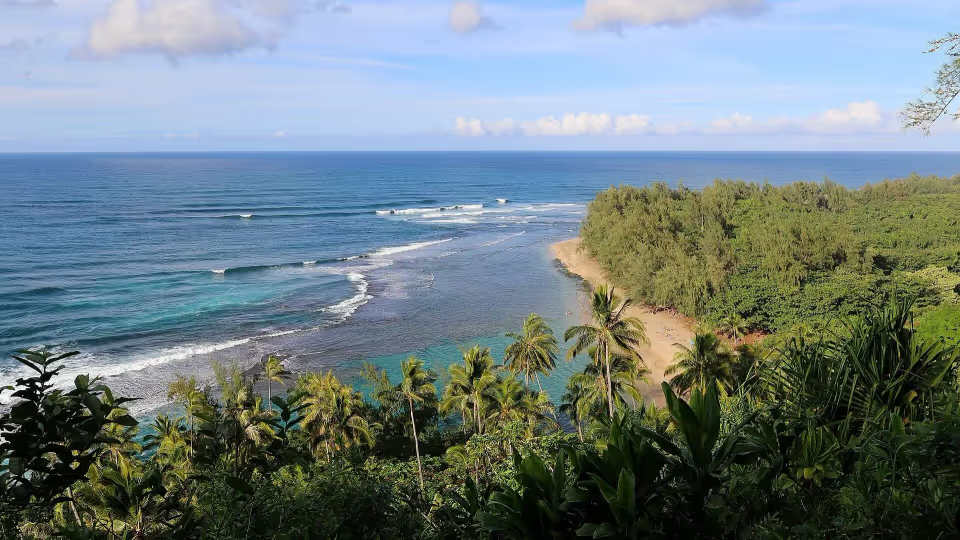
For a first family beach comparison, start with the lifeguarded park settings at Poʻipū and Lydgate. Choose Hanalei for bay scenery and town time, and Kēʻē for a reserved north-shore visit. The best water choice is the one the lifeguard and conditions support today—not the beach with the best photograph.

Compare the choices
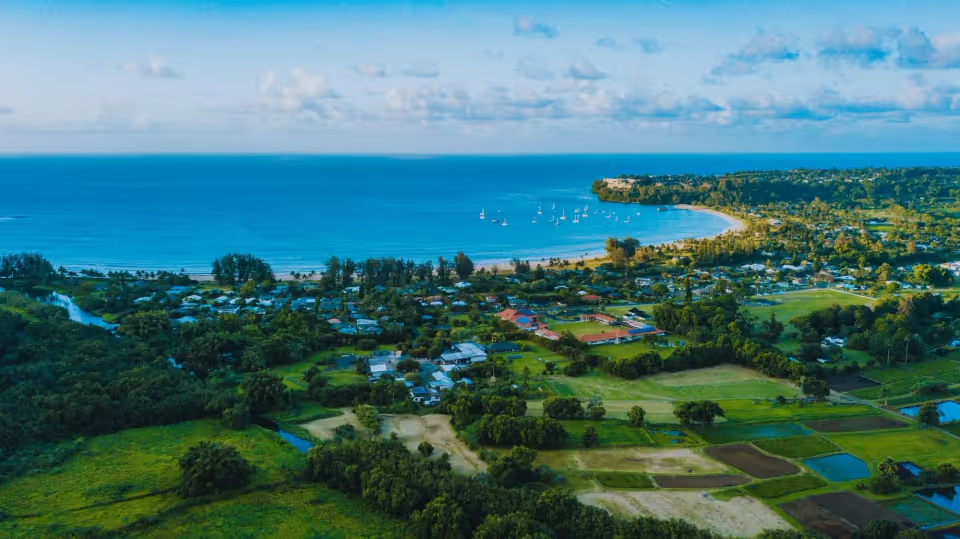
Hanalei Town & Bay
Photo: Zapsizzle

Compare the choices

Seven beaches, different reasons to go

Facilities come from the county and official-linked beach information. Their presence does not establish today’s access, guard staffing, water quality or swimming suitability. [4][7][2][8]

Seven beaches, different reasons to go
BeachA good reason to choose itFacilities and water decisionAccess to arrange
PoʻipūSouth Shore park and sunset timeCounty-listed lifeguarded beach, playground and picnic facilities; ask about the appropriate zoneUse the public park access and posted parking rules
LydgateA park-and-ocean-pool family outingCounty-listed lifeguarded beach, ocean pools and playgrounds; check the pools todayUse the actual park entrance and current notices
Hanalei BayBroad bay views plus a town visitPavilion has a county-listed guarded beach; the whole bay is not one guarded zoneCheck the chosen access point and north-shore road conditions
KēʻēReserved state-park visit and coast sceneryRestrooms/showers listed; lagoon conditions still depend on swell and currentsNon-resident park entry/parking or the correct shuttle booking
Salt PondSouthwest pocket beach and picnicCounty-listed lifeguarded beach; reef openings and surf still matterPublic park access; verify temporary notices
ʻAniniSlow North Shore picnic and shore timeCounty-listed facilities, but no lifeguard identified in that facilities listLegal park parking; camping requires its own permit
Hāʻena county beach parkOpen-coast scenery near ManiniholoCounty-listed lifeguarded beach, but exposed shorebreak and currentsDifferent park from the reserved Kēʻē/Hāʻena State Park visit

Scroll across the comparison to read every column.

Choose one coast’s beach block

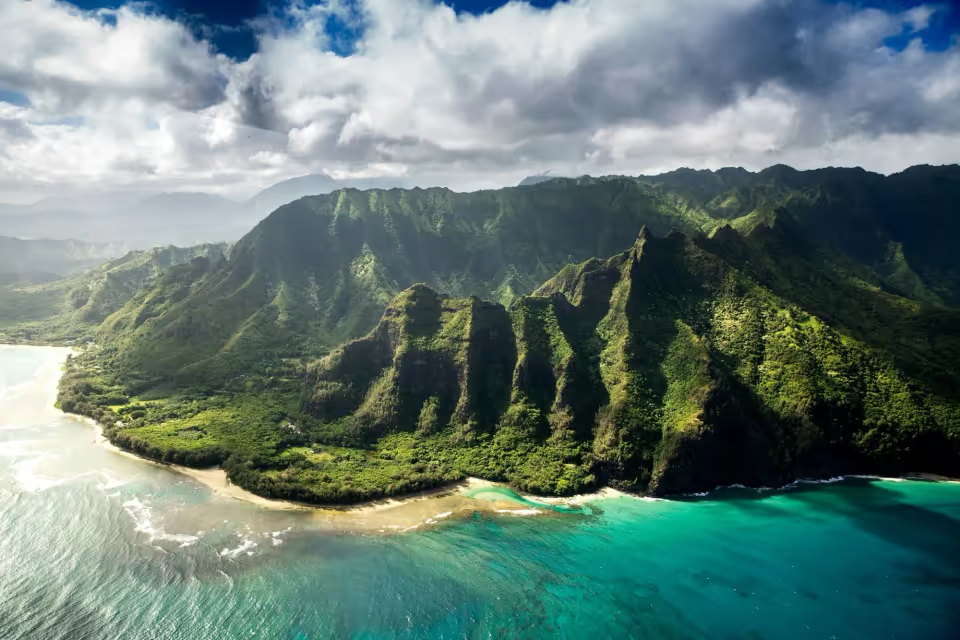
A good beach day needs space for the drive, legal parking, food, shade and a change of plan. Choose a shore near the rest of the day rather than collecting north, east and southwest beaches in one loop. For a short Kauaʻi stay, a beach block is often the useful flexible part around a garden appointment, boat or canyon day.

The saved Kauaʻi route remains the place to read the full four-day sequence and nights. This comparison is for choosing a beach or replacing an unsuitable water plan. A scenic shore visit can still be worthwhile when swimming is the wrong choice.
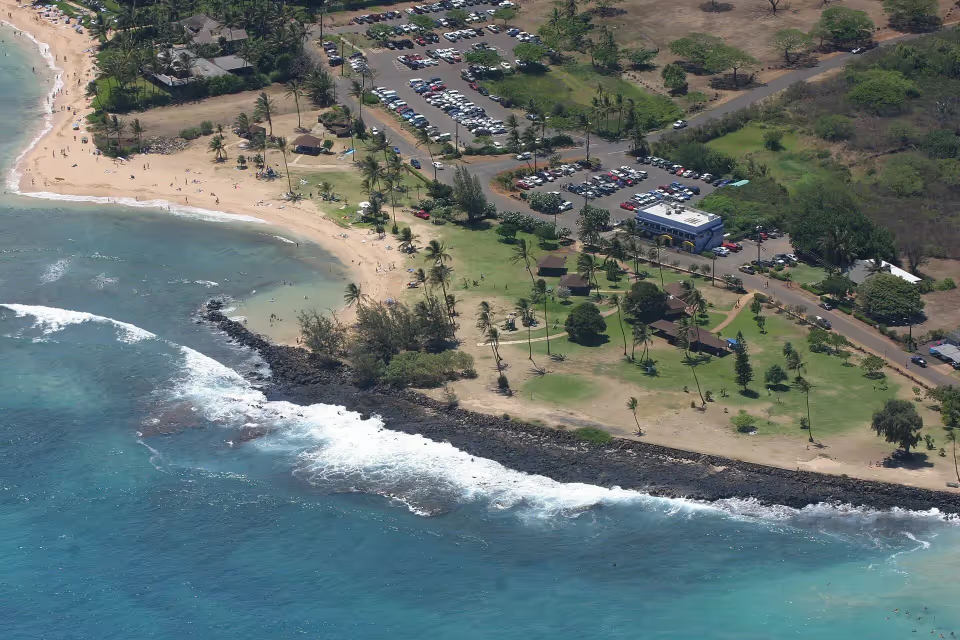
For family water time, compare the actual guarded area

The county lists lifeguarded beaches at Poʻipū, Lydgate and Salt Pond, along with facilities that can make a family visit simpler. Lydgate’s ocean pools and Poʻipū’s park-side water area are reasons to compare those locations. They are not guarantees that the sea, pool openings or water quality are suitable whenever you arrive.

Ask the guard about today’s zone and your group’s abilities before entering. Keep small children closely supervised, plan for sun and hydration, and choose a shore-based alternative when the answer is no. For a first snorkeling experience, a famous reef name is less useful than current visibility, currents, competent supervision and an appropriate entry. [4][13][11][5]

North and south are seasonal clues, not safety labels

Hawaiʻi Ocean Safety describes winter as November–April, with potentially huge, dangerous north swells and swell wrapping to west shores. Summer often brings smaller north waves, but south swells and trade-wind exposure remain important. An east-coast beach can be rough in otherwise sunny weather.

Use that pattern to keep more than one shore option in mind, then check the actual day. Do not promise yourself a winter Hanalei or Kēʻē swim because the photograph shows a calm lagoon. Nor should a summer month be presented as automatic permission to enter at Hāʻena’s exposed county beach. [6][7]

Kēʻē, Hāʻena Beach Park and Tunnels are not one place

Kēʻē Beach is inside Hāʻena State Park, where Go Hāʻena manages the non-resident entry, parking and shuttle choices. Hāʻena Beach Park is the separate county park along Maniniholo Beach before the road’s end. Its official-linked beach profile describes an open-ocean shore, with Mākua Reef to the east rather than a reef protecting the beach itself.

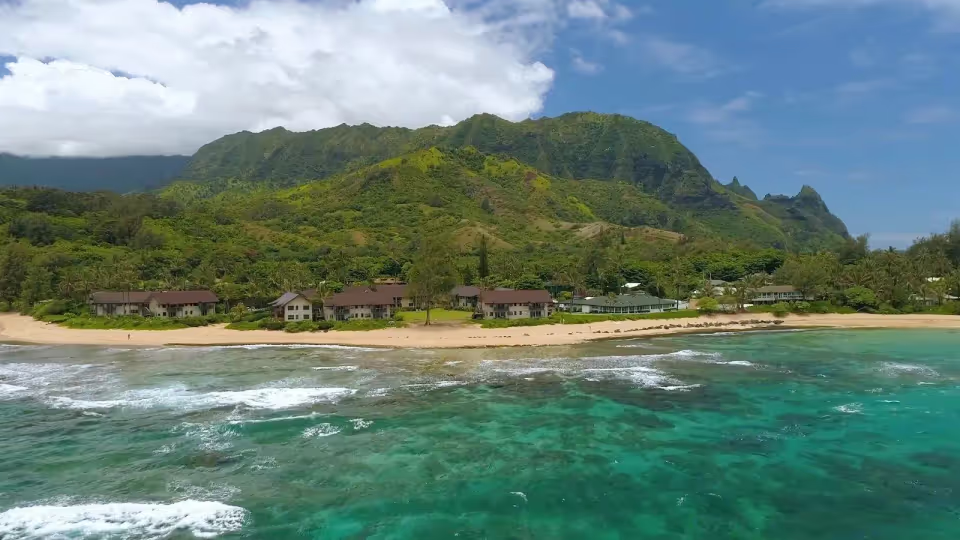
The nearby Mākua/Tunnels snorkeling name should not be used to imply that all this shoreline is a protected beginner lagoon. Use legal public access, respect local parking restrictions, and ask about the exact water location. A Kēʻē reservation does not establish access, parking or swimming conditions at every beach carrying a Hāʻena or Tunnels label. [1][8][10][4]

For Kēʻē, choose the actual reservation product

Go Hāʻena currently releases reservation dates 30 days ahead at midnight HST. Choose entry-only only when you do not need the park’s vehicle parking, or choose the appropriate parking-plus-entry or shuttle product. Shuttle reservations require you to ride the shuttle and depart from the booked stop; they are not a substitute parking voucher.

The operator currently lists parking at $20 per vehicle per time slot plus $5 entry per person, with children three and under free. These checked November 5 rates differ from some older state-page narrative. Use the current checkout for your party and chosen window, and leave before the reserved parking slot ends. A Kalalau camping permit is a separate question for the longer trail. [2][1][3]

Facilities help you choose; confirm the usable route

The county lists restrooms, picnic areas and different recreation facilities by park. It also lists all-terrain wheelchairs at Poʻipū, Lydgate and Salt Pond. If that equipment or a particular accessible path matters, contact the county about availability and the actual route before relying on the listing.

ʻAnini’s county facilities include pavilions and restrooms, but the list does not identify a lifeguard there. Treat it as a useful shore-and-picnic comparison, not a substitute for staffed supervision. A beach visit and an overnight camping permit are different arrangements; current campground or maintenance restrictions must be checked separately. [4][5]

Put the beach beside the overnight base

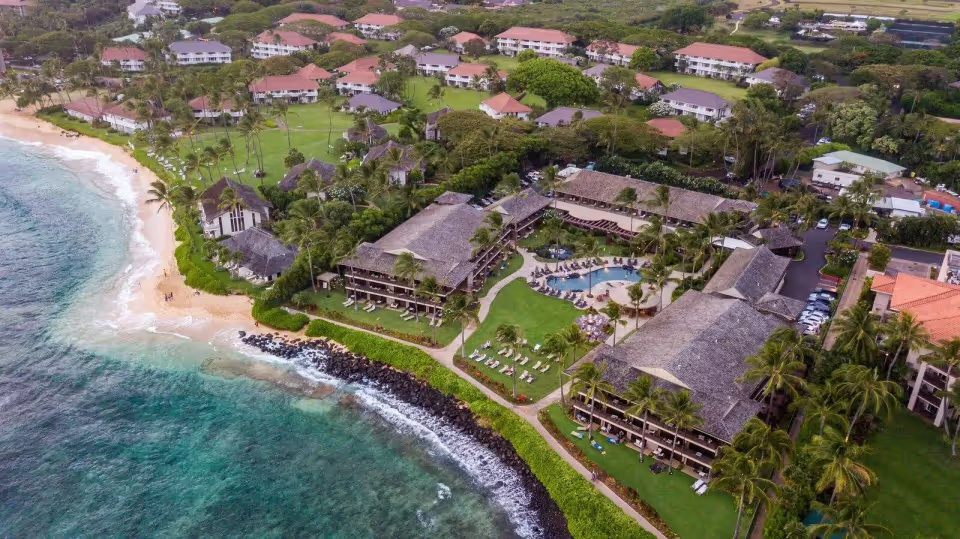
A Poʻipū stay makes South Shore local time easier; a Hanalei-area stay changes the daily drive to the north. Neither makes the opposite coast disappear. Keep the base near the part of the island you most want to use, and read the actual saved nights before changing the route.

Beach park, hotel and shoreline access are different things. A hotel reservation does not reserve a public beach parking space or establish a safe swimming zone. Keep food, shade, current notices and the return journey in the plan even for an apparently simple beach day.

Give the day a focus

Locate the beach and compare the actual access

7 places

Pins identify representative park locations, not safe swimming areas, legal parking bays or live conditions. Use the linked visit and park information for the actual approach.

A curated starting point

Put the choices into a real trip

Read the complete saved days and overnight choices. These are starting plans to adapt; flights, rooms and activities are booked separately.

Where the day begins

Keep the overnight beside the journey

Location choices from the collection. Check the room, complete price and availability for your dates.

Questions before you go

Which Kauaʻi beach is best for families?

Start by comparing the actual guarded areas and facilities at Poʻipū, Lydgate and Salt Pond. Choose only after checking current conditions with the guard. Ocean pools and reef protection do not make a beach safe in every condition. [4][5]

Do all Kauaʻi beaches need reservations?

No single beach reservation covers the island. Kēʻē is inside Hāʻena State Park and has its specific non-resident access system. Other parks have their own access and parking rules, while camping permits are separate from a day visit. [2][4]

Is Hāʻena Beach Park the same as Kēʻē?

No. The county beach park at Maniniholo and Hāʻena State Park at Kēʻē are separate locations. The county park’s exposed shore should not be described as the Kēʻē lagoon or treated as protected by nearby Mākua Reef. [8][1]

Can I snorkel at Hanalei, Tunnels or Kēʻē in winter?

Do not plan that as a guaranteed activity. Winter north and west swells can make entry dangerous; currents and local conditions matter at each site. Use the actual guard and warning information, and keep a shore-based alternative. [6][9][8][10]

Keep planning

The next useful decision

Sources & planning notes

Planning information checked November 5, 2026. Weather, road and park notices, opening calendars, rates and availability can change. Current warnings and the chosen booking’s conditions govern the visit. Photography credits are retained with the images.

  1. DLNR: Hāʻena State Park and Kēʻē Beach ↗
  2. Go Hāʻena: current reservations, shuttle and conditions ↗
  3. DLNR: Kalalau Trail access and permits ↗
  4. Kauaʻi County: park facilities by district ↗
  5. Hawaiʻi Ocean Safety: choosing a beach ↗
  6. Hawaiʻi Ocean Safety: surf seasons by shore ↗
  7. Kauaʻi beach conditions, linked by Hawaiʻi Ocean Safety ↗
  8. Safe Beach Day: Hāʻena county beach park ↗
  9. Safe Beach Day: Hanalei Bay ↗
  10. Safe Beach Day: Kēʻē Beach ↗
  11. Safe Beach Day: Poʻipū ↗
  12. Safe Beach Day: Salt Pond ↗
  13. Safe Beach Day: Lydgate ↗