


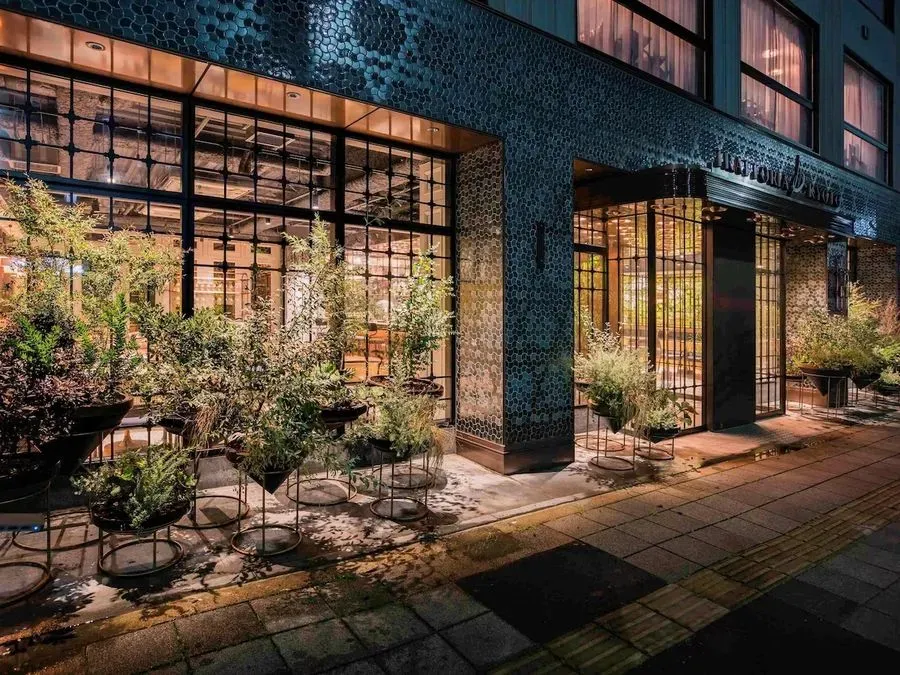
Mercure Kyoto Station
 SUPERB
 Unique
 4-star hotelDowntownStylishRestaurantsBar24h deskSustainable
 Curated bySandraUpdated
I’d consider Mercure Kyoto Station if you want a stay with a bit of style. Being downtown is handy for exploring.
More about this place
Mercure Kyoto Station is a contemporary hotel conveniently located near Kyoto Station, one of the city's major transportation hubs. This well-appointed hotel offers easy access to Kyoto's cultural and historical attractions, making it an ideal base for exploring the city.
The hotel features comfortable and stylish rooms with modern amenities, ensuring a pleasant and relaxing stay for both leisure and business travelers. Some rooms may offer scenic views of the city or Kyoto Tower.
You can enjoy a variety of dining options at the hotel's restaurants, which serve a range of Japanese and international cuisine. The hotel's bar is also a great place to unwind with a drink after a day of sightseeing.
Mercure Kyoto Station provides a combination of modern comfort and convenience, making it a popular choice for travelers looking to explore Kyoto's rich heritage while enjoying comfortable accommodations.
Things to do around Kyoto
Fyno’s picks across the area. Some stops need a drive or tour.
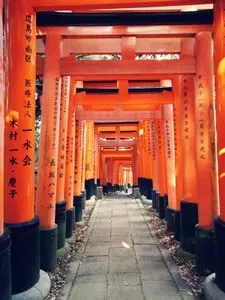
- Fushimi Inari Shrine is an iconic and spiritually significant Shinto shrine that holds a special place in the hearts of both locals and visitors alike. Known for its striking thousands of vermilion torii gates that create a mesmerizing…Suggested time: 2h
Fushimi Inari Taisha
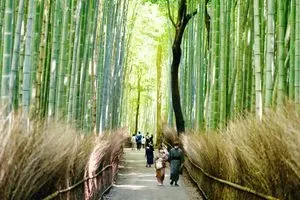
- The Arashiyama Bamboo Forest is a breathtaking natural wonder and a must-visit destination if you are seeking tranquility amidst towering bamboo groves. This enchanting bamboo forest is a testament to the beauty of nature and a serene…Suggested time: 2-4h
Arashiyama Bamboo Forest
Show 10 more placesShow fewer places
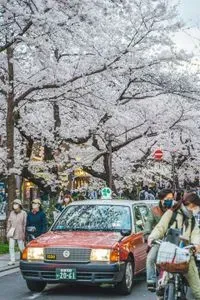
- Kyoto’s cherry blossom season arrives slightly later that Tokyo's, bringing a more traditional and atmospheric sakura experience. In 2026, first bloom is expected around March 26, with full bloom forecast for April 3–4, making early…Suggested time: 2-8h
Kyoto Sakura Spots
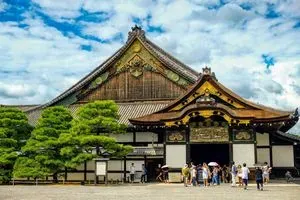
- Nijō Castle is one of Kyoto’s most important historic landmarks and a powerful symbol of Japan’s feudal era. Built in the early 17th century, it served as the Kyoto residence of Tokugawa Ieyasu, the first shogun of the Tokugawa…Suggested time: 1h
Nijo Castle
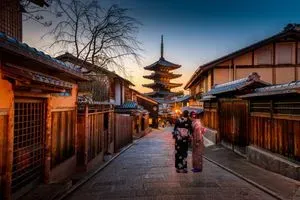
- Gion Geisha District, nestled in the heart of Kyoto, is a timeless enclave where tradition and elegance come to life. Its iconic cobbled streets, lined with beautifully preserved machiya houses, transport visitors to a bygone era.Suggested time: 2-3h
Gion Geisha District
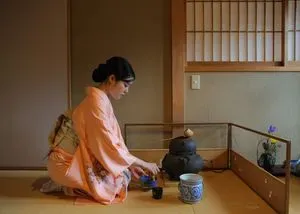
- The Kimono Tea Ceremony is a traditional Japanese cultural experience where participants wear a kimono and take part in a formal tea ceremony.Suggested time: 1.5h
Kimono Tea Ceremony
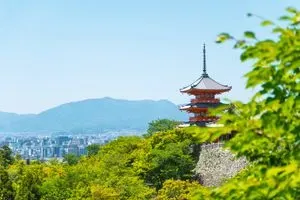
- Kiyomizu-dera, a majestic Buddhist temple situated in the eastern hills of Kyoto, is an architectural marvel and a UNESCO World Heritage site. Translating to "Pure Water Temple," Kiyomizu-dera is renowned for its awe-inspiring wooden…Suggested time: 1h
Kiyomizu-Dera Temple
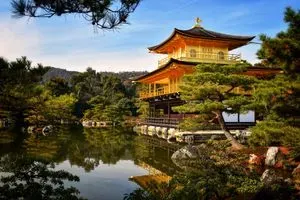
- Kinkaku-ji is one of Kyoto's most iconic and visited landmarks, renowned for its stunning architecture and the brilliant gold leaf adorning its upper two floors.Suggested time: 2h
Kinkaku-ji Temple
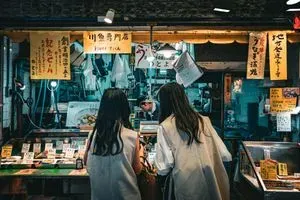
- Nishiki Market, often referred to as "Kyoto's Kitchen," is a vibrant and historic marketplace nestled in the heart of the city. Stretching over five city blocks, this bustling covered market is a sensory delight for food enthusiasts and…Suggested time: 1h
Nishiki Market Food Walk
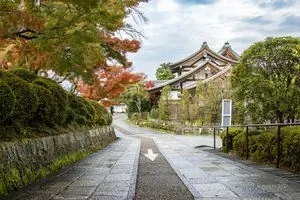
- The Philosopher’s Path is a scenic walking trail that stretches for almost 2 miles along a canal in the northern part of Higashiyama district.Suggested time: 1h
Philosopher’s Path
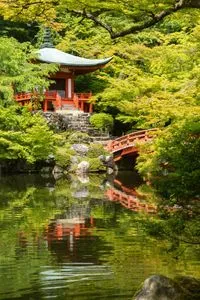
- Daigo-ji Temple is a historic and culturally significant Buddhist temple that dates back to 874. It belongs to the Shingon sect of Esoteric Buddhism and is renowned for its architectural beauty and serene natural surroundings.Suggested time: 1-2h
Daigo-ji Temple
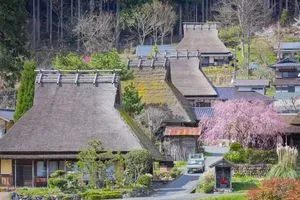
- Kayabuki no Sato is one of Japan’s most enchanting rural escapes — a storybook village tucked in the verdant foothills north of Kyoto where time seems to slow and landscapes feel straight out of an old folktale.Suggested time: 2-4h
Kayabuki No Sato
Japan itineraries with this stay
 Expert-curatedDay-to-dayPerfect logistics


