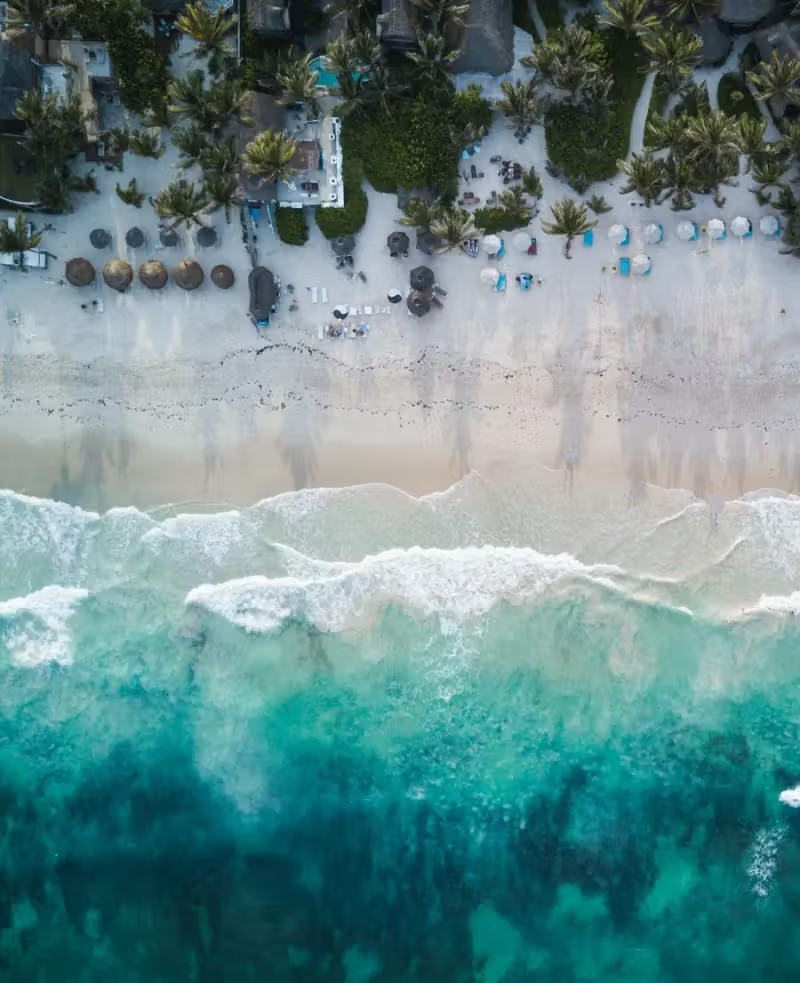
The nine-day default is ambitious. Day 2 combines Tulum archaeology, Muyil and the move to Bacalar; Day 3 combines lagoon time with the long move to Valladolid. Day 4 lists several cenotes and Ek Balam. Treat these as choices, not a promise to complete every visit. With more time, split the transfer days and add a second Holbox night. With seven days, choose the inland circuit or the southern lagoon rather than squeezing in every base.
Keep the default’s actual overnights visible: coastal Tulum, Bacalar town, two Valladolid nights, two Mérida nights, Las Coloradas and Holbox. Check the mainland approach and ferry before the final Cancún departure.
Browse the visit guides, or open the map to compare locations.
22 places
01 · Tulum beach-road area
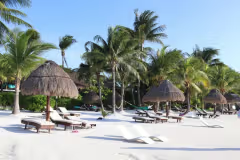
This is a flexible coastal-time record, not one reservable venue. Beach-road hotels, town and archaeological access are separate places; choose your base and transport before filling the day.
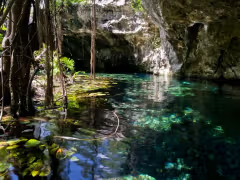
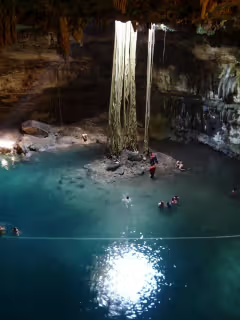
Gran Cenote is inland from the coast. Confirm the current entrance, equipment and swimming rules directly before visiting; preserve the site by following shower and product restrictions rather than assuming all cenotes share one policy.
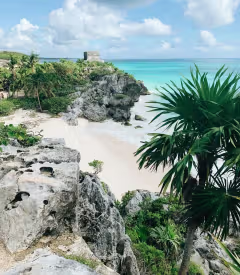
Plan the archaeological entrance and park approach before adding a beach visit. INAH currently lists a 15:30 last entry; confirm current access and the charges included in your chosen ticket.
Separate Muyil archaeology from a Sian Ka’an lagoon or canal excursion. INAH announced Muyil’s reopening in February 2026; that does not confirm every reserve route, boat or activity for your dates.
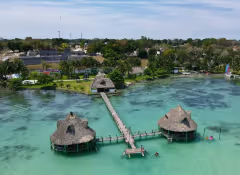
Walk the town and waterfront after arrival or before an onward transfer. This town stop is separate from access to a private lagoon pier or a boat excursion.
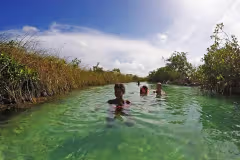
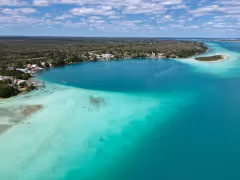
Make the lagoon the main experience of a Bacalar day. Choose a permitted boat, kayak or shore visit for the conditions; confirm the route and restrictions with the operator and avoid contact with stromatolites.
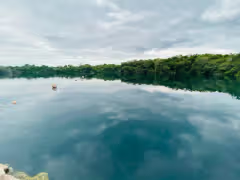
Cenote Azul is a separate inland swimming stop south of town, not a lagoon boat tour and not the identically named cenote near Playa del Carmen. Check the entrance and swimming rules for this Bacalar site.
Use Valladolid for a town evening and as a base for separate cenote and archaeological outings. Distances radiate in different directions; keep a long onward drive out of an already full sightseeing day.
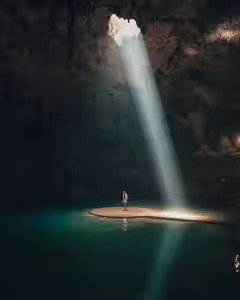
Suytun is east of town and is a different outing from Chichén Itzá. Choose it for the cave setting; the familiar light-beam photograph is dependent on conditions, timing and water level.
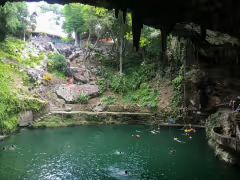
This source record refers to the town cenote commonly written Zací. It fits a Valladolid town day better than a cross-peninsula detour. Check current swimming and visitor access locally.
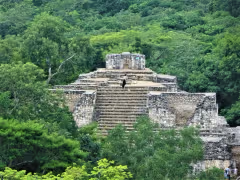
Ek Balam lies north of Valladolid, separate from the Chichén Itzá corridor. Give the archaeological visit its own outing and check INAH’s current access rules rather than assuming climbing is permitted.
Samulá and Xkekén are two cenotes in the Dzitnup area. Check which entrances your ticket covers and allow time for stairs, changing and the journey back to town.
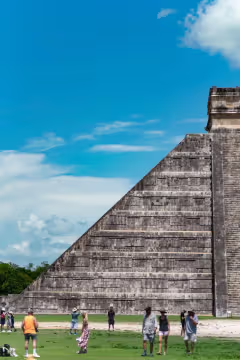
Chichén Itzá is west of Valladolid in Yucatán state. Choose an early archaeological visit before optional Ik Kil; INAH lists a last entry before closing and notes an additional state admission charge.
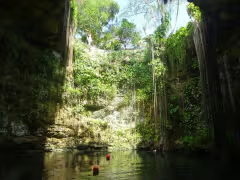
Ik Kil is near Chichén Itzá, west of Valladolid. Pair them only if the archaeological visit and transfer leave a comfortable swimming window; cenote entry is separate from the ruins ticket.
Izamal is a separate town east of Mérida. Combine a town walk with its religious and archaeological context, or use it as a through-route stop between Valladolid and Mérida rather than doubling back.
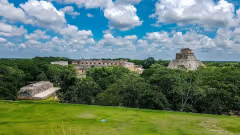
Uxmal is a Puuc archaeological site outside Mérida. Give it its own half-day or longer outing including transport; INAH lists daytime access separately from any evening experience.
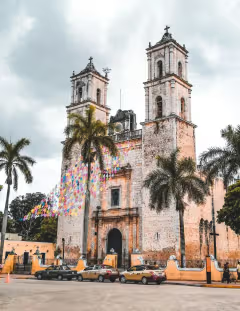
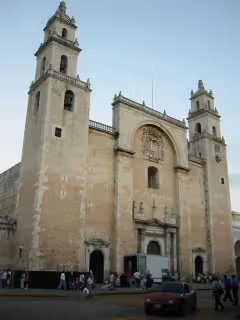
The cathedral anchors the east side of Plaza Grande. Combine it with the square and municipal building; respect worship and confirm visitor access rather than assuming the interior is always open.
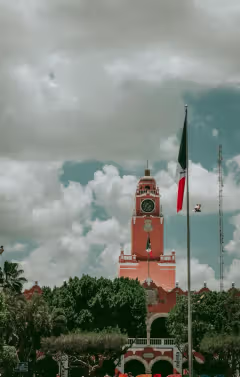
Treat the municipal palace and square as a city walk. Any interior or balcony access depends on the public arrangements that day; do not plan the whole visit around an unconfirmed opening.
Paseo de Montejo is an avenue walk north of Plaza Grande. Give the walk its own time in the cooler part of the day; museum interiors along it have separate entry arrangements.
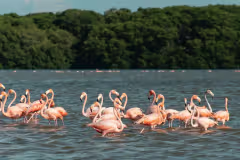
Arrange the actual Río Lagartos departure with an authorised operator. The itinerary, wildlife sightings and ability to sail depend on conditions and reserve rules; a Las Coloradas stay is a separate transfer.
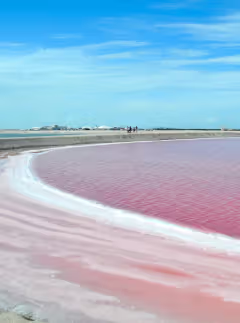
Las Coloradas is a salt-production landscape in a separate village from Río Lagartos. Check the designated visitor route and current access; water colour varies and the ponds are not a swimming venue.
Use Holbox as a stay rather than a rushed detour. The mainland approach ends at Chiquilá, followed by a passenger ferry and an island transfer. Keep your final flight connection separate from an uncertain last sailing.